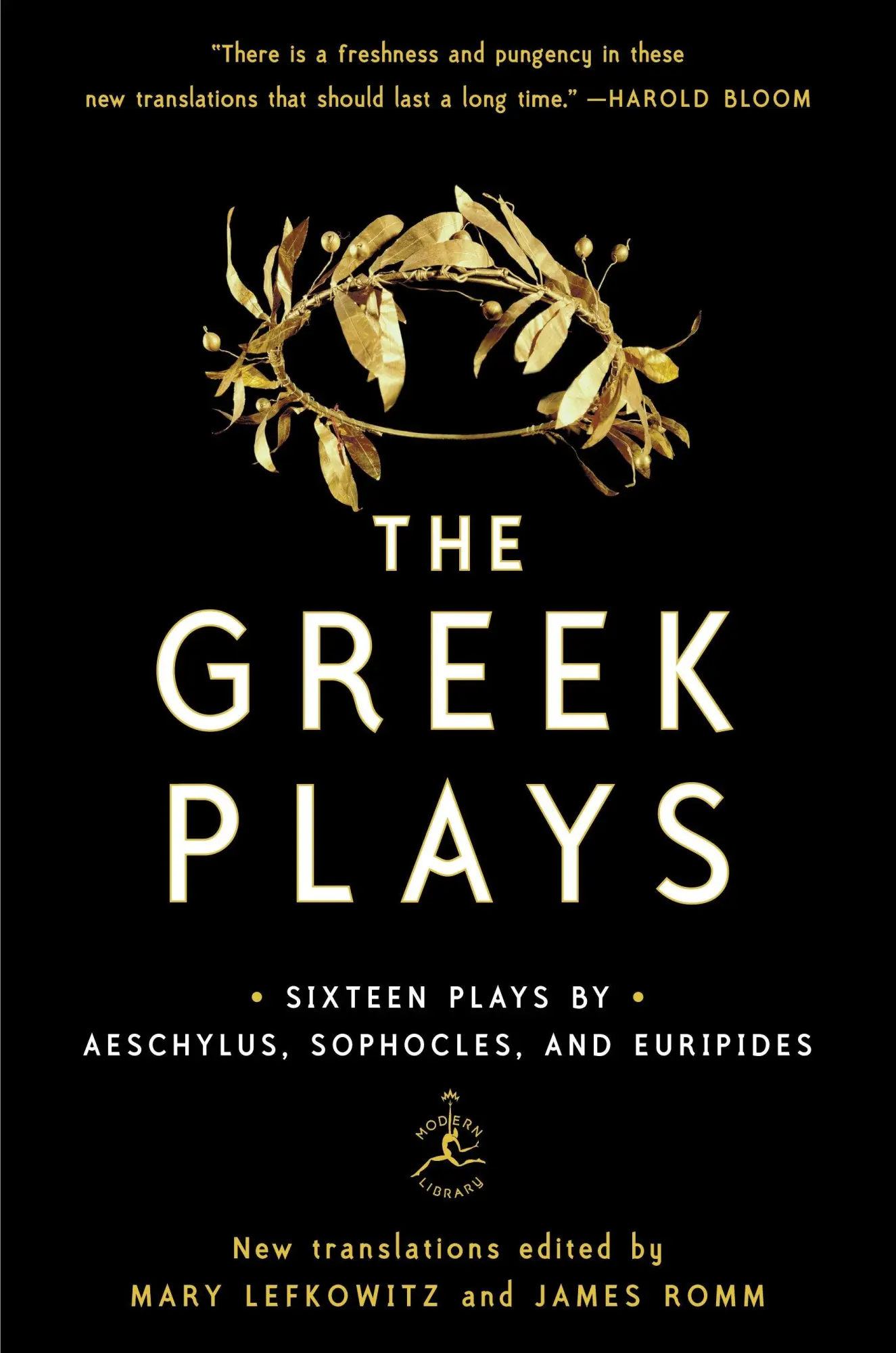
The Greek Plays
Sixteen Plays by Aeschylus, Sophocles, and Euripides
23,95 €
inkl. MwSt. und Versand · Lieferzeit 1–2 Werktage
Gesetzliche Gewährleistung: 2 Jahre · Details
Nur noch 1 verfügbar
Beschreibung
Aeschylus<br><br>Aeschylus (c.525–456 b.c.) came from a propertied family in Eleusis. His first tragedies were performed in the early 490s, but it was not until 484 that he won his first victory in the competition at the City Dionysia. He fought against the Persians at Marathon in 490 and probably also at Salamis in 480. In 472 he described the battle at Salamis in his Persians, the earliest of his surviving tragedies. In 470, Hieron, the tyrant of the Greek city of Syracuse, invited Aeschylus to Sicily to stage a performance of his Women of Aetna (now lost). After returning to Athens, Aeschylus won first prize at the Great Dionysia with five of his other extant tragedies, the Seven Against Thebes (467), the Suppliants (463), and the trilogy, translated in this volume, known as the Oresteia (458), consisting of the Agamemnon, Libation Bearers, and Eumenides.<br><br>Although Aristophanes, in his comedy the Frogs (405 b.c.), satirizes Aeschylus’ style as pompous, bombastic, and sententious, in his extant dramas Aeschylus writes in a variety of modes, ranging from straightforward exposition to densely poetic language characterized by distinctive combinations of words and metaphors. The old men in the choruses of Persians and the Agamemnon use sonorous words and speak in complex rhythms that bring profundity and emotional depth to their reflections on the human condition and the inscrutability of the gods. Metrical motifs carried over from the Agamemnon reappear in the terrifying songs of the Furies in the final play of the Oresteia trilogy, the Eumenides.<br><br>In 456, Aeschylus was invited back to Sicily, and he died there. But the Athenians did not forget about him. Half a century later his dramas were so well remembered that even while making fun of his writing style, Aristophanes endorsed his work for its ethical and patriotic values, wishing that Aeschylus could be brought back to life.<br><br>Introduction to Aeschylus’ Persians<br><br>So far as we know, only thr
Artikeldetails
- EAN
- 9780812983098
- Sprache
- Englisch
- Einband / Art
- Buch
- Maße
- 230 x 160 x 40 mm
- Erscheinungsjahr
- 2017
- Verlag / Hersteller
- Random House Publishing Group
Ähnliche Artikel

Mein Urgroßvater, die Helden und ich
null
- EAN:
- 9783789140426
- Sprache:
- Deutsch
14,00 €
inkl. MwSt. und Versand · Lieferzeit 1–2 Werktage
Nur noch 2 verfügbar
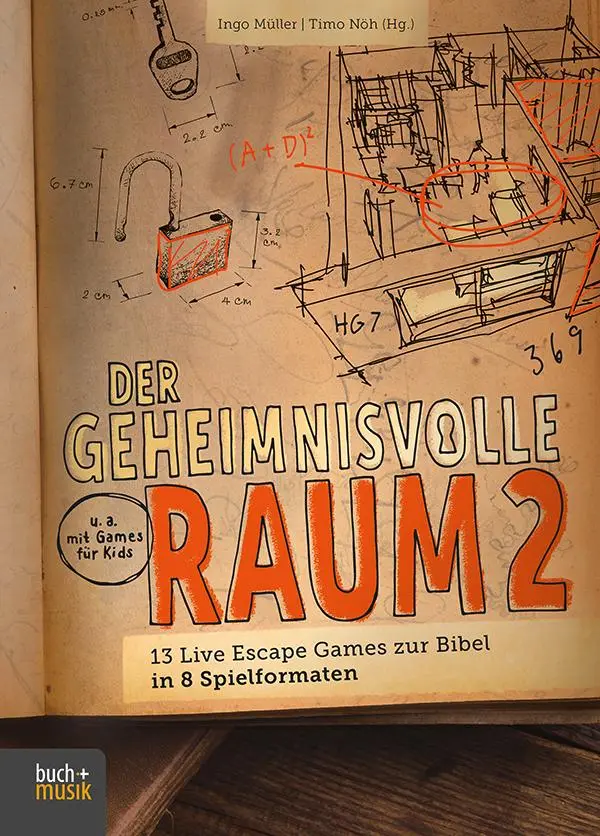
Der geheimnisvolle Raum 2
13 Live Escape Games zur Bibel in 8 Spielformaten
- EAN:
- 9783866872745
- Sprache:
- Deutsch
25,00 €
inkl. MwSt. und Versand · Lieferzeit 1–2 Werktage
Nur noch 3 verfügbar
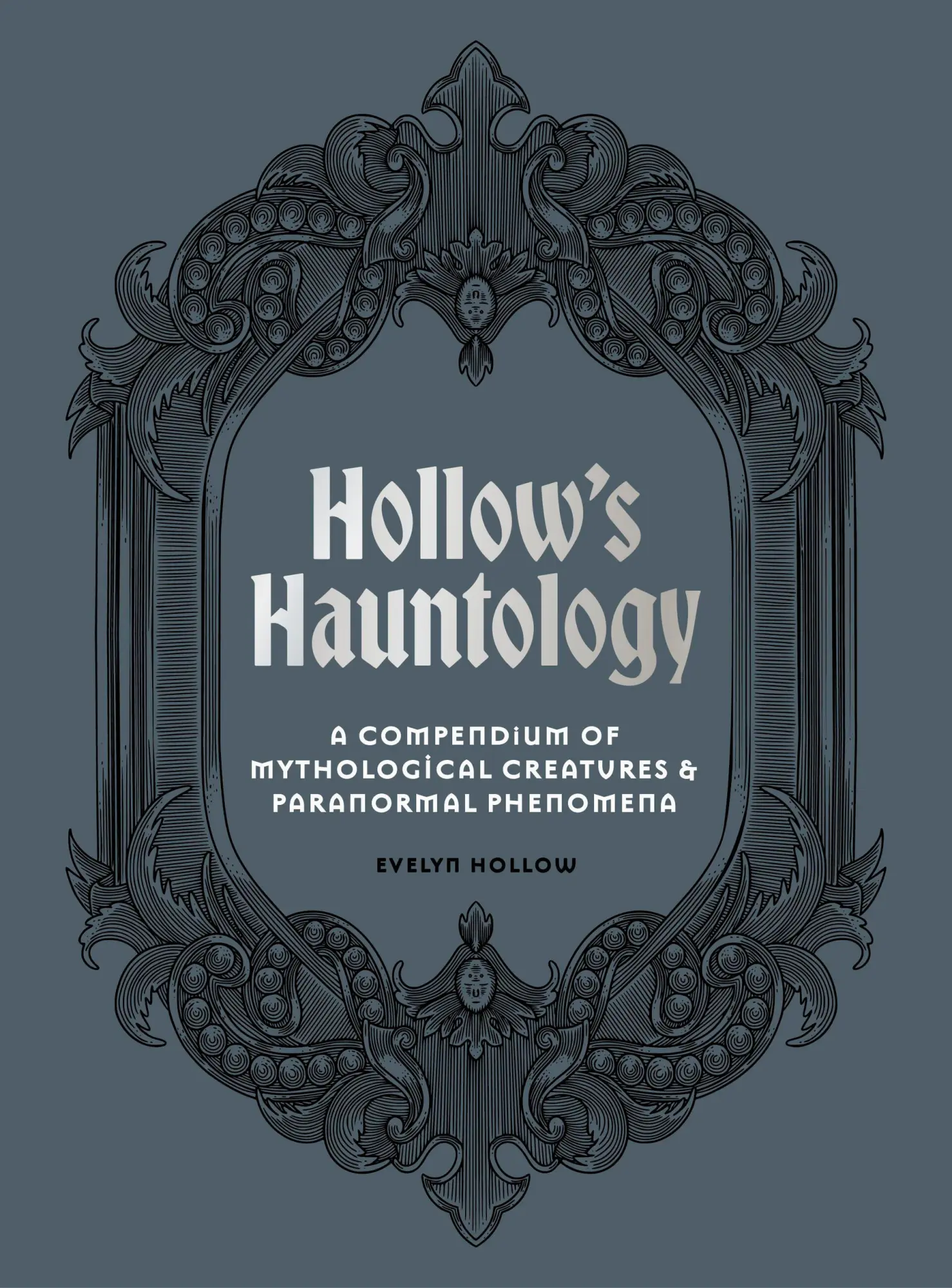
Hollow's Hauntology
A compendium of mythological creatures and paranormal phenomena
- EAN:
- 9781805700982
- Sprache:
- Englisch
25,95 €
inkl. MwSt. und Versand · Lieferzeit 1–2 Werktage
Ausverkauft

Gürtel
Erkennen - Bestimmen - Beschreiben
- EAN:
- 9783422984295
- Sprache:
- Deutsch
19,90 €
inkl. MwSt. und Versand · Lieferzeit 1–2 Werktage
Nur noch 1 verfügbar
The Greek Plays
23,95 €