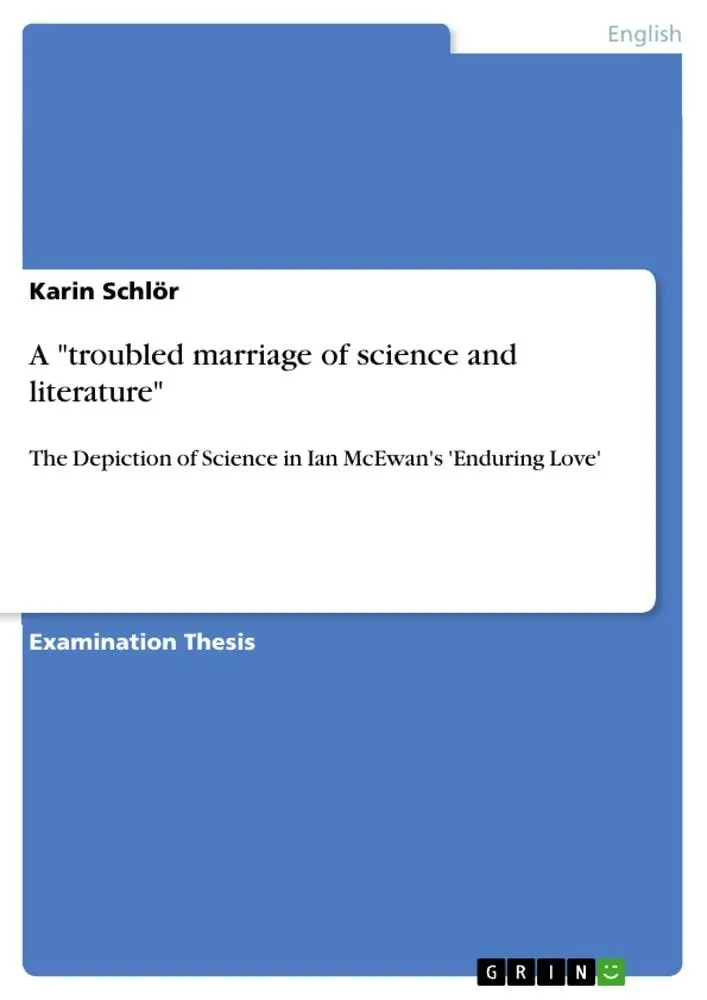
A "troubled marriage of science and literature"
The Depiction of Science in Ian McEwan's 'Enduring Love'
27,95 €
inkl. MwSt. und Versand · Lieferzeit 1–2 Werktage
Gesetzliche Gewährleistung: 2 Jahre · Details
Nur noch 1 verfügbar
Beschreibung
Examination Thesis from the year 2013 in the subject English Language and Literature Studies - Literature, grade: 1,0, University of Würzburg, course: Englische Literaturwissenschaft, language: English, abstract: There was an awful rainbow once in heaven:/ We know her woof, her texture; she is given/ In the dull catalogue of common things./ Philosophy will clip an Angels wings,/ Conquer all mysteries by rule and line,/ Empty the haunted air, and gnomed mine / Unweave a rainbow (Keats 320f). In December 1917, Keats attended Benjamin Haydons immortal dinner during which Charles Lamb accused Haydon of including Newtons head in his painting Christs Entry in Jerusalem (cf. Dawkins 38f). This painting was, according to Lamb, an affront since Isaac Newton had destroyed all the poetry of the rainbow by reducing it to the prismatic colours (Dawkins 39). Keats agreed with Lamb that a man like Newton would reduc[e] life to physical organization (Gigante 442) and therefore bereave the world of its wonders. In 1919, Keats began writing Lamia in which he took up the subject of the difficult relationship between science and literature. The initial quotation promotes the assumption that in Lamia, science is seen as something that strips poetry (and the arts in general) of its beauty and mystery (Abrams 307). By unweav[ing] the rainbow (Keats/Cook 321) Sir Isaac Newton had presumably destroyed the mysterious nature of the rainbow by means of rationalism as one then knows about its woof, [its] texture (Keats 320). However, one can find ambiguous details in Lamia that put Keats position in question. Under Apollonius eyes (Apollonius stands for reason and the urge to define everything (Sandy 53)) Lamiäs beauty vanishes and she becomes a serpent again. It could be argued that Apollonius saved Lycius (who is seen as a dreamer and a fantasist) from the sinful and evil snake, rather than depriving him of his lover. Although it might at first seem obvious that Keats is clearly emphatically
Artikeldetails
- EAN
- 9783656471356
- Sprache
- Englisch
- Einband / Art
- Taschenbuch
- Maße
- 210 x 148 x 5 mm
- Erscheinungsjahr
- 2013
- Verlag / Hersteller
- GRIN Verlag
Ähnliche Artikel

Mein Urgroßvater, die Helden und ich
null
- EAN:
- 9783789140426
- Sprache:
- Deutsch
14,00 €
inkl. MwSt. und Versand · Lieferzeit 1–2 Werktage
Nur noch 2 verfügbar
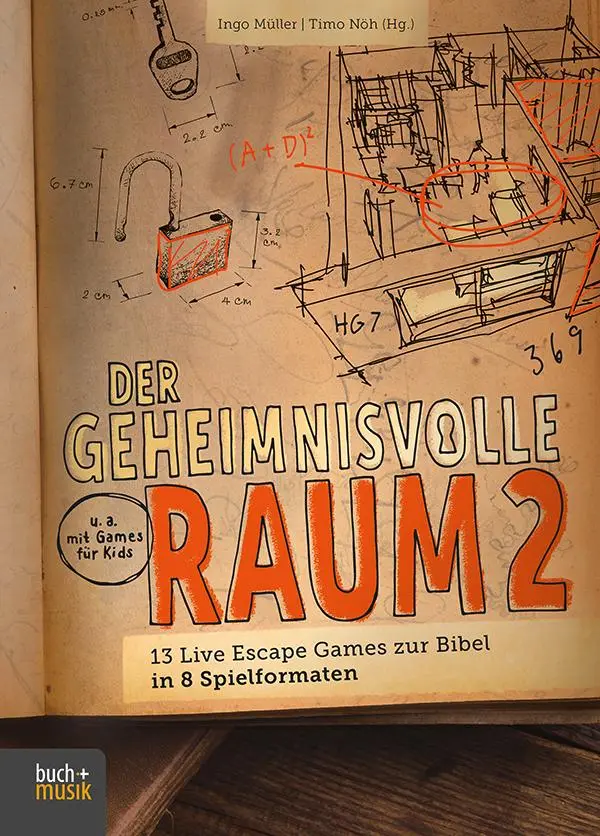
Der geheimnisvolle Raum 2
13 Live Escape Games zur Bibel in 8 Spielformaten
- EAN:
- 9783866872745
- Sprache:
- Deutsch
25,00 €
inkl. MwSt. und Versand · Lieferzeit 1–2 Werktage
Nur noch 3 verfügbar
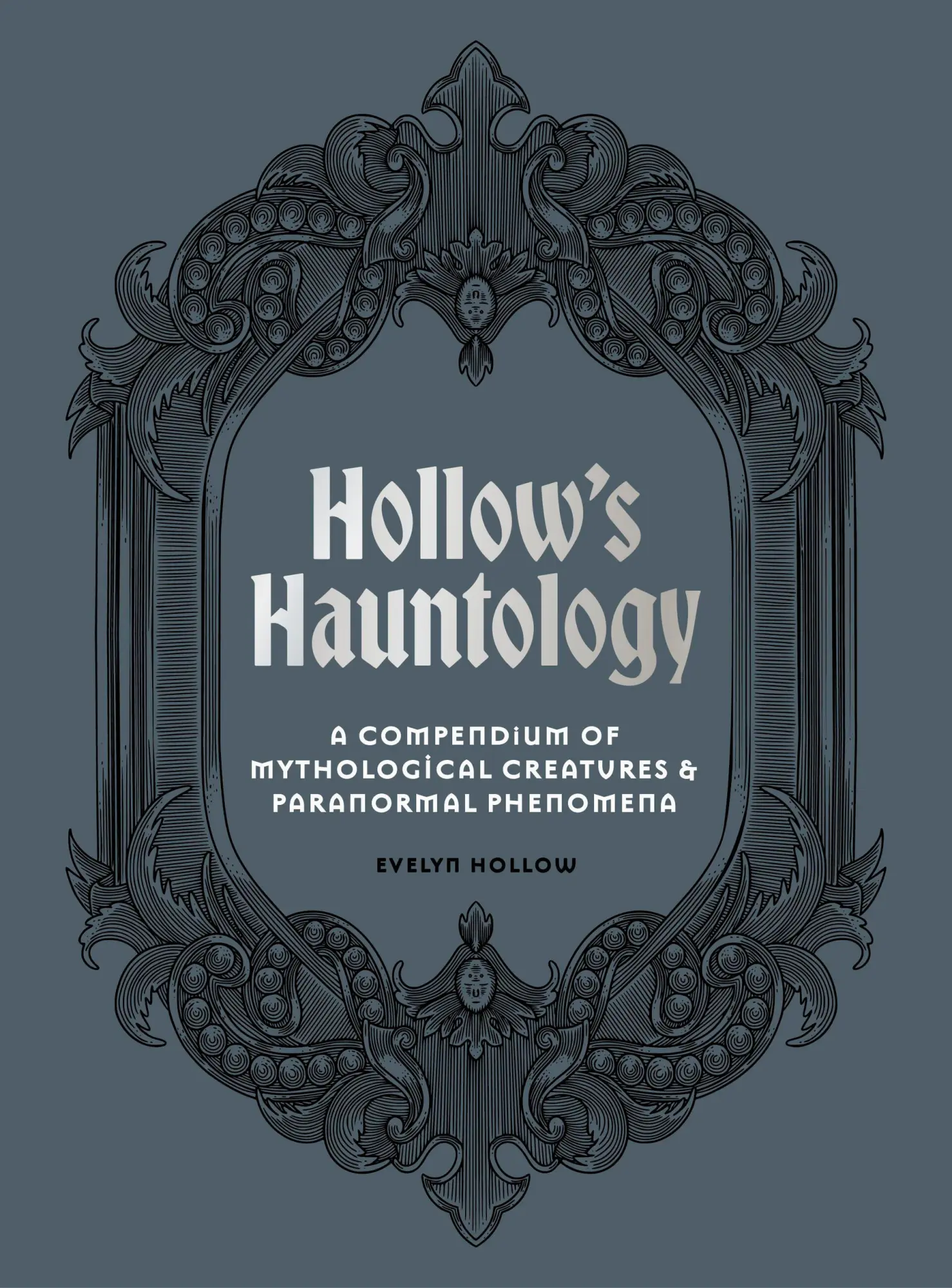
Hollow's Hauntology
A compendium of mythological creatures and paranormal phenomena
- EAN:
- 9781805700982
- Sprache:
- Englisch
25,95 €
inkl. MwSt. und Versand · Lieferzeit 1–2 Werktage
Ausverkauft
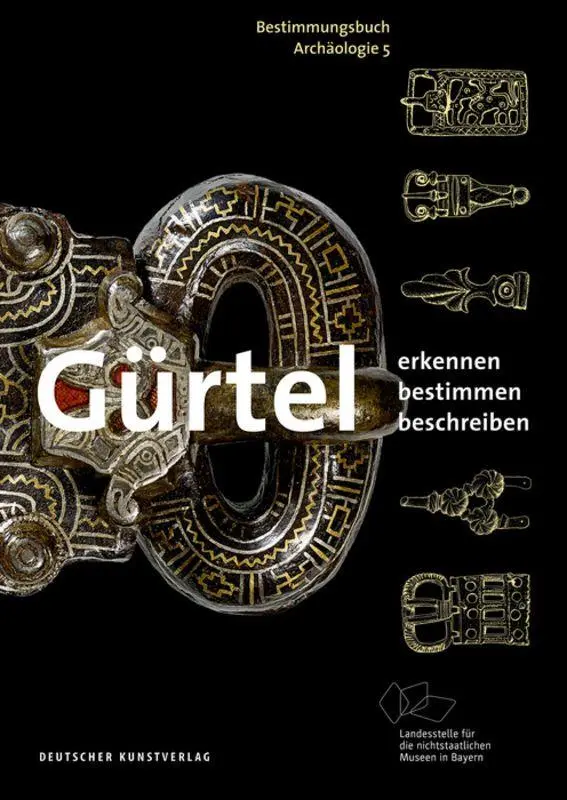
Gürtel
Erkennen - Bestimmen - Beschreiben
- EAN:
- 9783422984295
- Sprache:
- Deutsch
19,90 €
inkl. MwSt. und Versand · Lieferzeit 1–2 Werktage
Nur noch 1 verfügbar
A "troubled marriage of science and literature"
27,95 €